The Production Capacity Will Exceed 3 Million Tons! China's Polycarbonate Investment Fever Shocked The Global Plastics Industry
Jul 04, 2019
According to incomplete statistics, the scale of domestic polycarbonate construction will exceed 3 million tons per year in the next few years, and the new installations planned to be put into operation in 2018-2019 will be close to 1 million tons per year. "This round of polycarbonate boom in China has shocked the global plastics industry. Unwise investment behavior will disrupt the market and cause vicious competition." Zheng Yu, chairman of the China Synthetic Resin Supply and Marketing Association, pointed out recently.
Zheng Hao analysis, the intensive release of polycarbonate capacity, on the one hand can significantly increase the self-sufficiency rate to meet the domestic market demand, but on the other hand will also create new problems, the growth rate of capacity growth and demand growth, and a large number of homogeneity The construction of the project may lead to overcapacity in the industry as a whole.
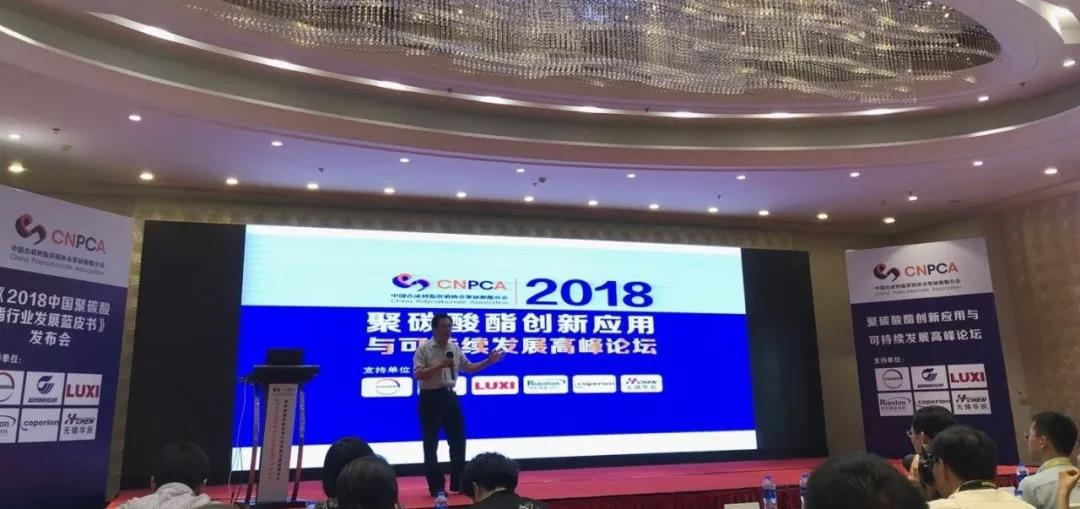
According to Duan Qingsheng, secretary general of the Polycarbonate Branch of the China Synthetic Resin Supply and Marketing Association, China is a country with rapid growth in demand for polycarbonate in recent years, and its dependence on imports has been high. Before 2012, only China's Covestro and Teijin two 10,000-ton polycarbonate producers accounted for almost all of the domestic production capacity. In the following years, domestic enterprises tried to break the dependence on imports. The new installations of Sinopec Mitsubishi, Mitsubishi Gas, Zhetie Dafeng, Luxi Chemical, Wanhua Chemical and other enterprises were gradually put into production.
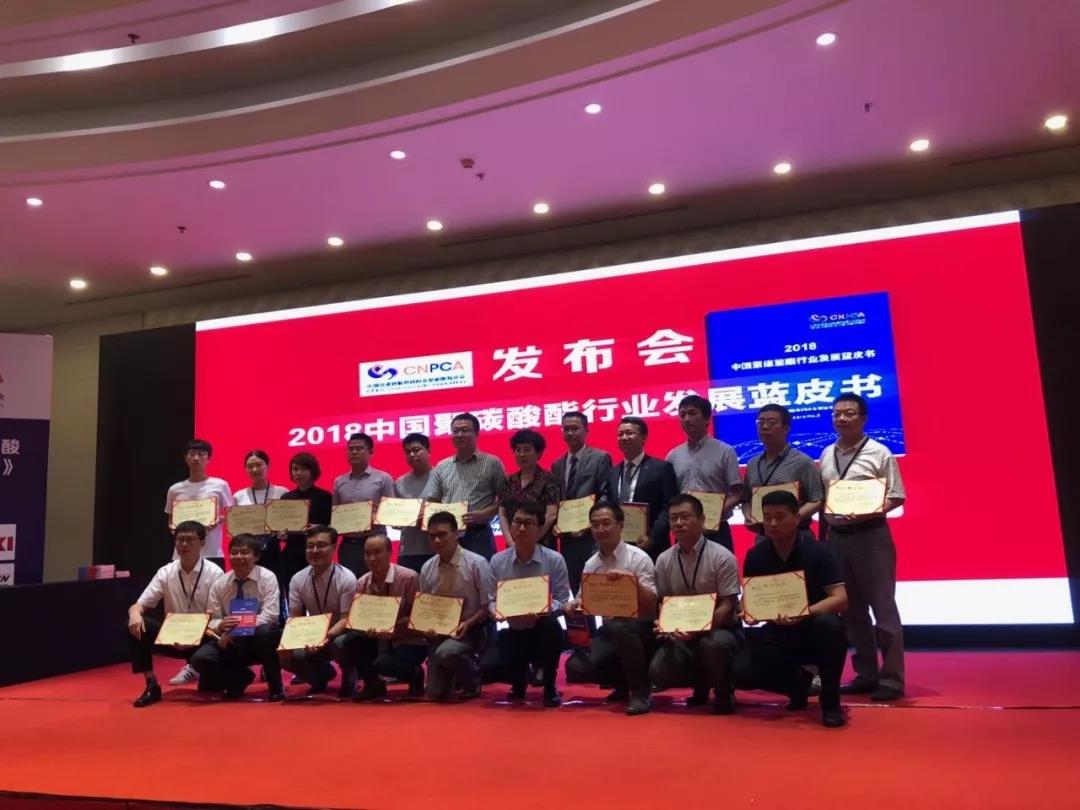
According to the "2018 China Polycarbonate Industry Development Blue Book" released by the Polycarbonate Branch of China Synthetic Resin Supply and Marketing Association in early August, China's polycarbonate production capacity has grown rapidly in the past five years, from 480,000 tons/year in 2013 to the present. 945,000 tons / year, significantly eased the situation of serious dependence on imports. With the construction of new equipment, it is estimated that by 2022 domestic polycarbonate production capacity will exceed 3 million tons / year, the average annual growth rate may reach 30%, and the output is expected to reach 2.3 million tons / year. In addition, the number of domestic polycarbonate producers will reach 14 by 2020 and 16 by 2022, and the capacity distribution will be further dispersed.
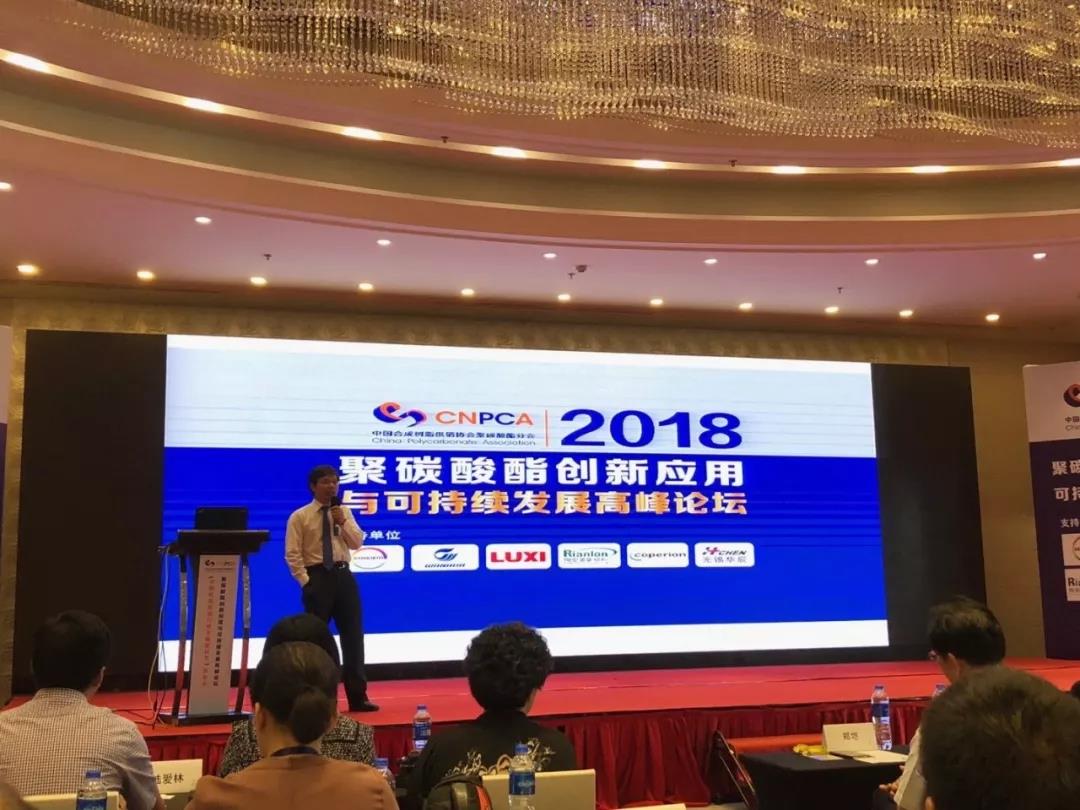
So how much polycarbonate does the market need? Zhang Lei, editor-in-chief of the Blue Book and director of the Shanghai Center of Wanhua Chemical New Materials Division, pointed out that domestic polycarbonate consumption in 2017 was close to 1.8 million tons, accounting for 40% of global consumption. %the above. It is expected that the growth rate of domestic polycarbonate demand will remain at 3% to 5% in the next few years. By 2022, domestic demand for polycarbonate will reach 2.1 million to 2.2 million tons. Therefore, in the next few years, China's net imports of polycarbonate will decline rapidly, and the self-sufficiency rate will rise rapidly. It is expected to reach a balance between supply and demand by 2021~2022, and finally become a net exporter.
The polycarbonate branch will remind us that in the next few years, China's polycarbonate production capacity may be “spurt” growth, and the risk of overcapacity caused by overheated investment will appear.
In May this year, the China Petroleum and Chemical Industry Federation issued a warning report on the production capacity of key petrochemical products. According to the report, China's polycarbonate has maintained a growth rate of more than 20% per year for four consecutive years, and its capacity utilization rate has reached 72.7%. However, in the next three years, domestic polycarbonate projects will be invested and constructed. It is estimated that this year's new production capacity will reach 400,000 tons/year, and the downstream electronic appliances and building panels will grow slowly. The traditional optical discs will be impacted by new modes of transmission. The demand for esters continues to shrink.